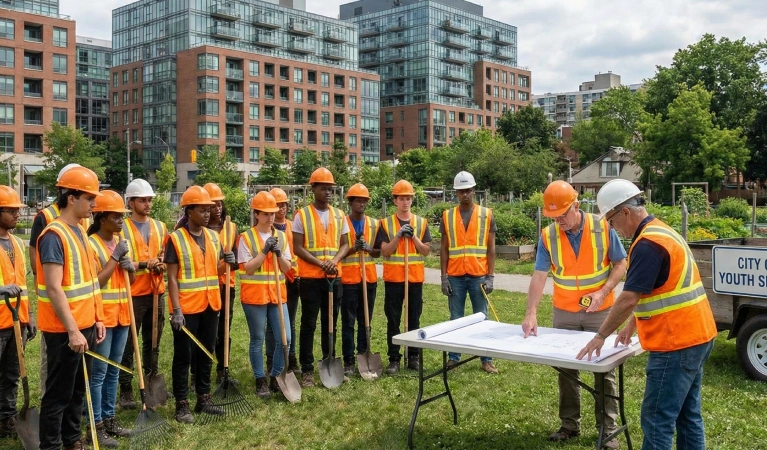
Breaking Barriers: How Canadian Cities Are Expanding Youth Work & Training Access
Nov-19, 2025
By Admin
Across the country, young people continue to face challenges when trying to enter the workforce. Limited experience, shifting job requirements, and uncertain economic conditions can make it difficult for many to secure meaningful opportunities. Yet there is another side to this story. Canadian cities are developing new approaches that make it easier for youth to gain skills, access training, and step confidently into growing industries. These changes are especially important for those who rely on Jobs for Youth in Canada as a pathway to employment and long term stability.
Why Access Matters More Than Ever
Youth employment is not just about getting hired. It is also about having access to the right supports at the right moments. Many young people need help navigating resumes, interviews, workplace expectations, and career pathways. When cities improve access to training and guidance, they help level the playing field for youth who may not have strong personal networks or prior work experience.
In recent years, more Canadian municipalities have recognized that improving access to skills and training benefits both young residents and local economies. Investments in training, career readiness, and practical work exposure help ensure the next generation is prepared for changing labour market needs.
A Shift Toward Community Based Training
Cities are increasingly adopting community centered training programs that bring learning closer to where youth live. These efforts often focus on hands on skill building in areas such as hospitality, construction, retail, customer service, digital literacy, and environmental work.
Community-based training accomplishes several key goals:
It reduces barriers to entry.
Youth who cannot travel long distances or afford certain program fees gain access to options within their own neighbourhoods.
Youth who cannot travel long distances or afford certain program fees gain access to options within their own neighbourhoods.
It builds confidence.
Smaller community settings help youth learn at a comfortable pace with guidance that feels approachable and supportive.
Smaller community settings help youth learn at a comfortable pace with guidance that feels approachable and supportive.
It supports local industries.
When training aligns with regional employment needs, youth are more likely to find stable work after completing their programs.
When training aligns with regional employment needs, youth are more likely to find stable work after completing their programs.
Urban Growth Means New Opportunities
Many Canadian cities are experiencing growth in industries that rely heavily on youth talent. Hospitality, recreation, urban services, and customer facing roles continue to expand as cities attract more events, tourism, and new residents.
At the same time, municipal infrastructure and environmental projects provide new chances for youth to learn practical skills related to maintenance, public works, green spaces, recycling, and climate resilience. Cities that integrate youth training into these projects allow young workers to gain valuable experience while contributing to community improvement.
Connecting Youth With Real World Experience
Training alone is not always enough. Young people often need real workplace exposure to understand expectations and build a professional identity. Cities are responding by increasing access to:
Short term placements
These offer quick entry points that help youth understand various industries while building resumes that highlight relevant experience.
Paid seasonal roles
Seasonal jobs are ideal for young people who want flexible schedules or who are still in school. Cities that expand event support, recreation staffing, and maintenance roles create more openings for youth each year.
Skill based volunteer opportunities
Even unpaid opportunities can contribute significantly to confidence, communication skills, and a sense of purpose.
Encouraging Fairness and Inclusion
A major theme behind these developments is fairness. Cities are working to ensure that youth from a variety of backgrounds feel welcome and supported as they pursue employment opportunities. By strengthening training networks and expanding access to practical experience, municipalities help close the gap between youth who have strong support systems and those who need extra assistance.
Conclusion
Canadian cities are taking meaningful steps to help young people overcome employment barriers. Through local training initiatives, expanded community programs, and stronger pathways to real world experience, youth are gaining more opportunities to develop skills that matter. As efforts continue to evolve, those seeking guidance through Jobs for Youth in Canada can look forward to a future with greater access, more support, and a clearer route to stable employment.